There is a sentence that has killed more good books than writer's block ever did, and I hear it constantly from smart, accomplished people:
"I am not really a writer."
They say it like a confession. The therapist with fifteen years of frameworks says it. The nurse with a head full of hard-won patient wisdom says it. The founder who can hold a room for ninety minutes without notes says it, which always makes me smile, because that person is clearly a communicator. They simply do it standing up.
Here is what a decade of publishing has taught me about that sentence. When someone says I am not really a writer, what they usually mean is I cannot picture myself producing two hundred pages of continuous prose. Fair enough. Most people cannot. And here is the part nobody ever tells them: most people should not.
Publishing was never just the two-hundred-page book. Some of the most useful, most loved, most professionally valuable things my studio produces are not traditional books at all. They are journals people write in, workbooks people sweat through, organizers people carry into appointments, and stories children ask for at bedtime.
So before you ask what kind of book you should write, let me hand you a better question, the one we open every single project with: what do you want your knowledge to help someone do?
The question that picks your format for you
Sit with that question and watch the formats sort themselves. If you want someone to understand something, that points to a book or a guide, the formats built for knowing. If you want someone to actually do something, that is a workbook, because doing needs structure and space to work in. If you want someone to reflect, that is a guided journal. To track something or build a habit, a journal, tracker, or planner. To prepare for something, an organizer or a resource. To implement your specific framework, a companion workbook. If you want a child to understand something, that is a children's book. And if you want to teach a subject properly, an educational guide.
Notice what just happened. Not one of those decisions required you to feel like A Writer. Every one of them required you to know what you want to change about your reader's life. And you already know that, because changing it is your job.
The ten formats, with receipts
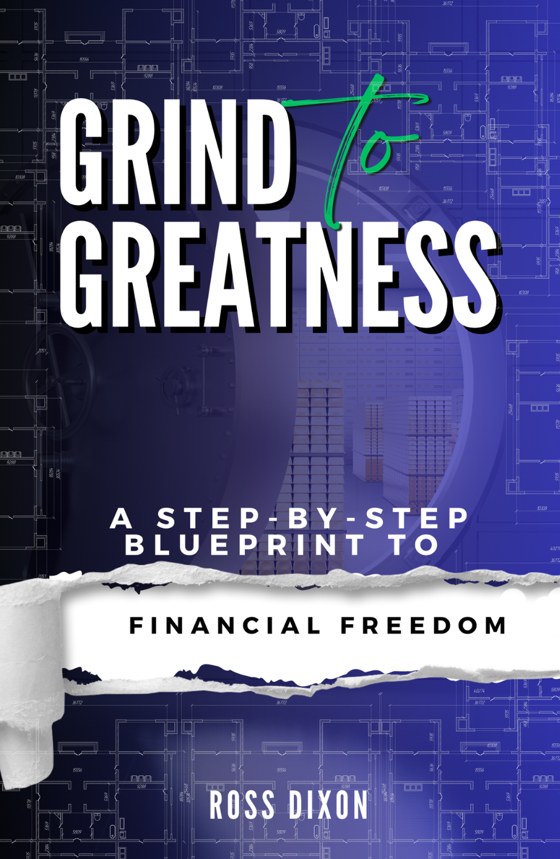
1. The authority book. Still the flagship format when the job is planting your flag: your point of view, your methodology, the definitive expression of how you think. And if the manuscript is the obstacle, hear this: ours can be built from an interview. You talk for a day. We craft the book from your own words. If you felt your shoulders drop reading that sentence, that relief is the point.
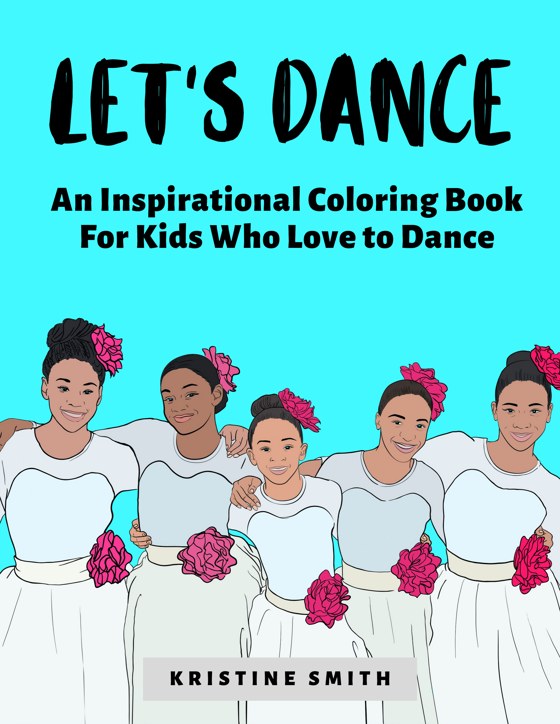
2. The coloring book. Frequently underestimated, and quietly one of the smartest formats in publishing. Custom-illustrated coloring books are fast to produce, sell year round, and serve audiences from children to adults, in classrooms, ministries, events, and gift aisles. For brands and authors, they are also the rare product whose illustrations can later be colored and formatted into a full children's book: one set of art, two published products.
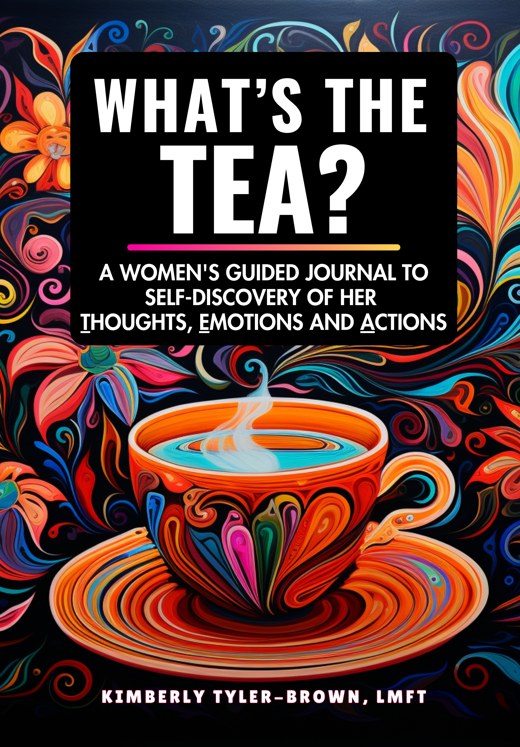
3. The guided journal. Prompts, reflection, structure. Kimberly Tyler-Brown, a licensed marriage and family therapist, made What's the Tea? this way, taking the reflective work she guides in her practice and shaping it into a structured journey a reader can take entirely on their own. What I love about journals is their honesty as products: the prompts only work if the expertise behind them is real. Which is exactly why they fit credentialed professionals so well.
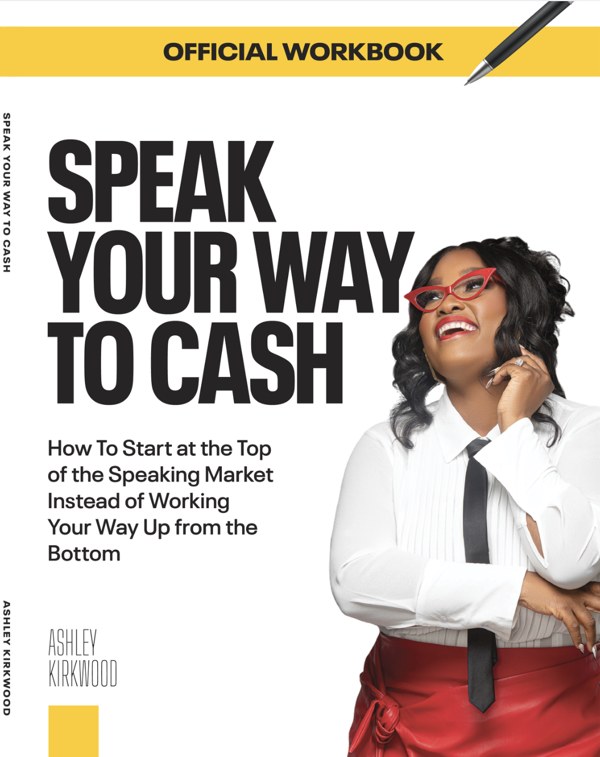
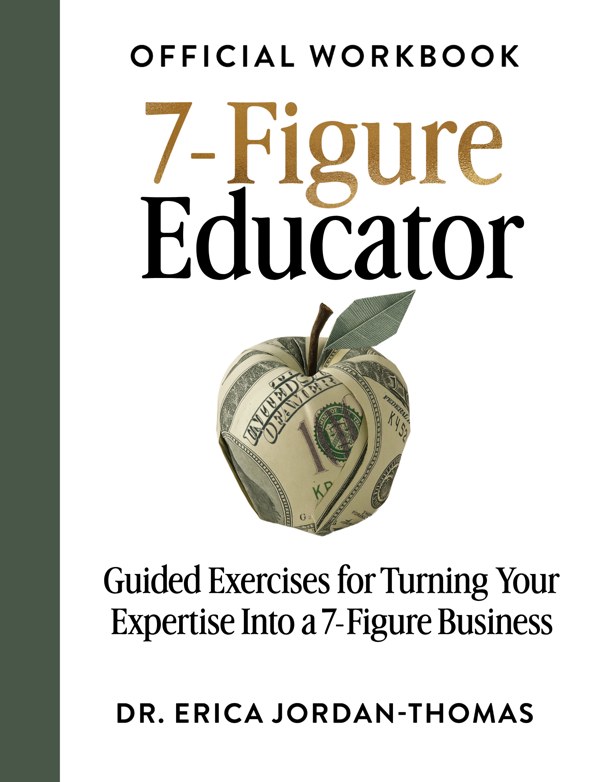
4. The workbook. My personal favorite thing we make, and our flagship service, because a workbook is implementation you can hold. Books get read and, candidly, often forgotten. Workbooks get written in, dog-eared, and finished. The person who finishes one has actually practiced your method, not merely agreed with it.
5. The client companion. The resource built specifically for the people you already serve: before they start with you, while they work with you, or after they finish. If your current version of this is a folder of loose PDFs, a professionally published companion is the upgrade your clients will notice.
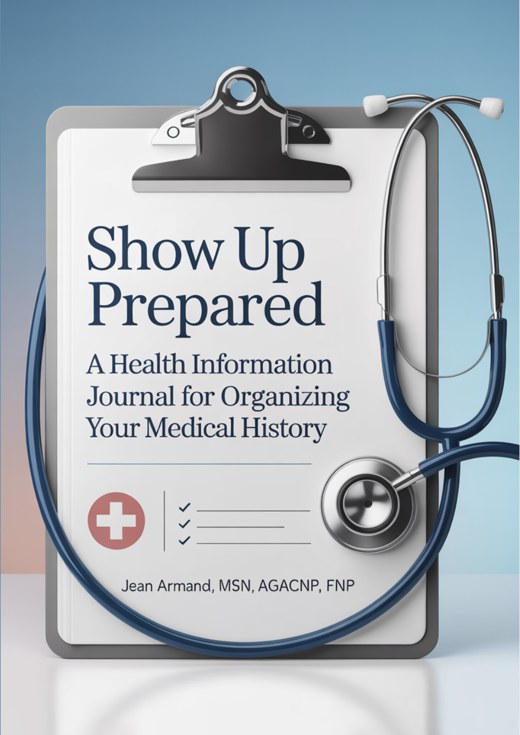
6. The patient resource. Organizers, preparation guides, recovery trackers, caregiver guides. Jean Armand, MSN, AGACNP, FNP, built her Show Up Prepared health journal in this format, and patients carry it into real appointments. She will not be the last: every specialty has its version of the tool patients keep needing and nobody has made. One production note, because it matters: health-adjacent resources deserve careful framing and appropriate disclaimers, and that care is part of the work, not an afterthought.
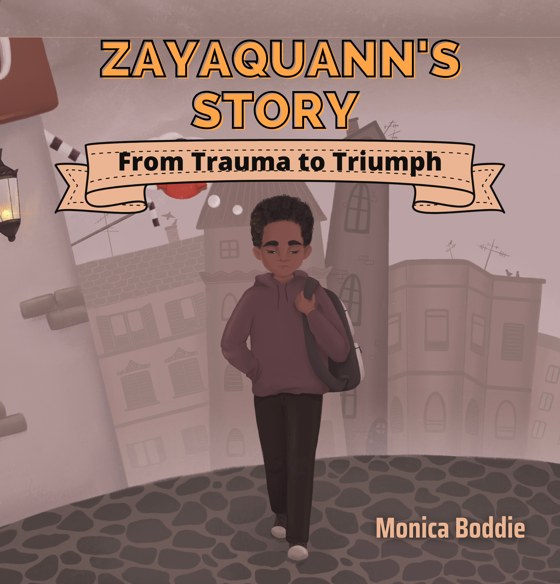
7. The children's book. The format where complex things become simple enough for the people who need them smallest. Monica Boddie, a licensed clinical social worker, wrote Zayaquann's Story to help children move through grief, a book that works in a therapy session and on a grandmother's couch alike. Children's publishing happens to be my deepest specialty, hundreds of thousands of my own copies deep, so believe me when I tell you: experts consistently underestimate how much of their knowledge belongs in this format.
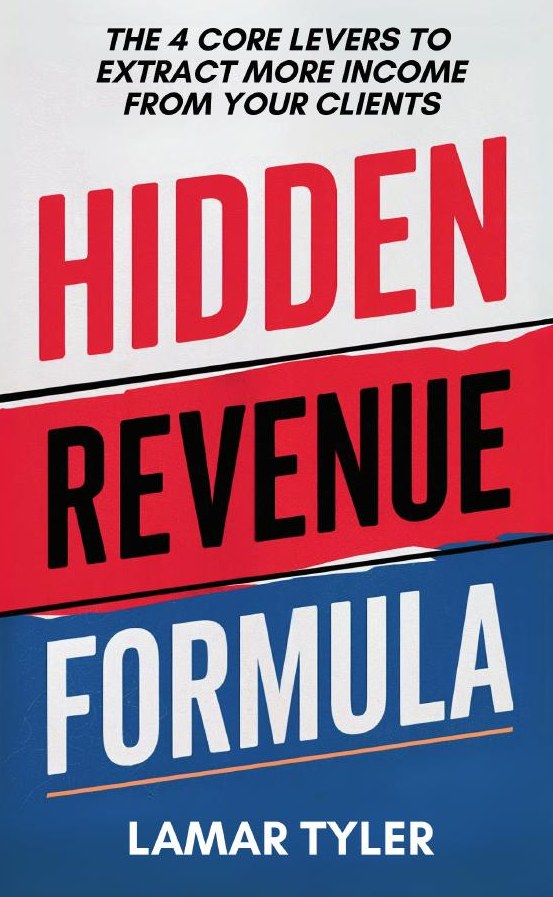
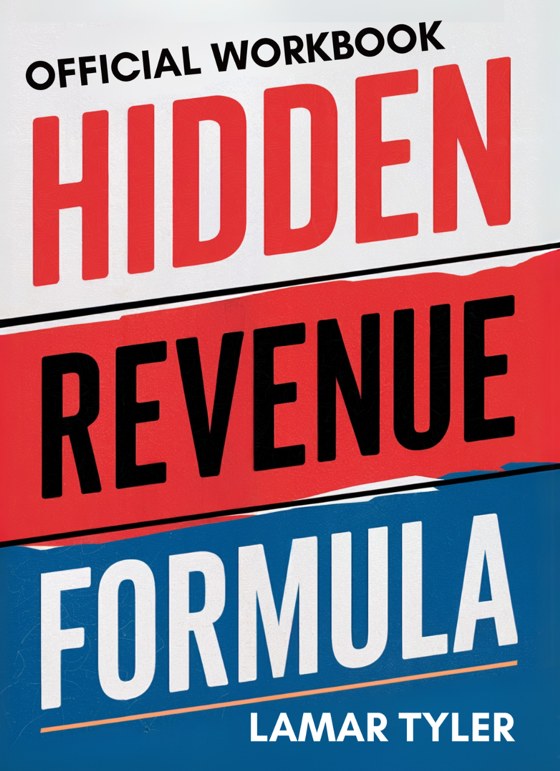
8. The book + workbook suite. The book teaches. The workbook implements. Together they cover both halves of how human beings actually learn. Lamar Tyler's Hidden Revenue Formula and its official companion workbook are this model working in public, on stages, in bulk orders, inside his events.
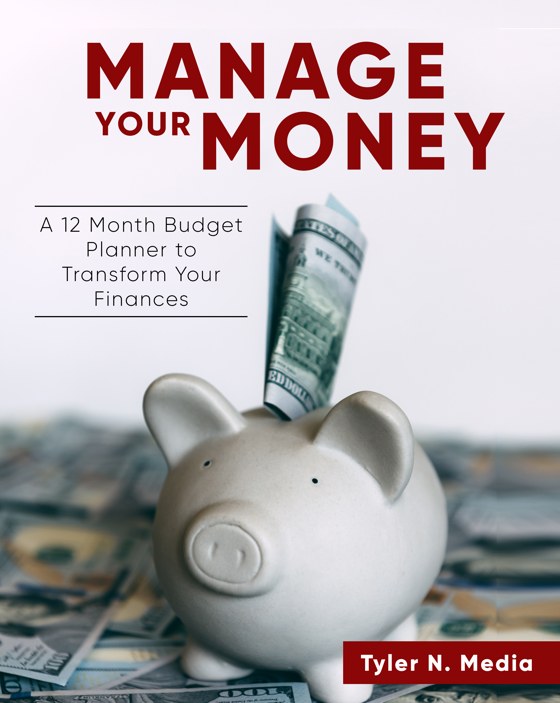
9. The planner, tracker, or organizer. The right call when the outcome you care about repeats: a behavior, a preparation ritual, documentation, progress over weeks. Less celebrated than a book, and for certain goals, considerably more effective.
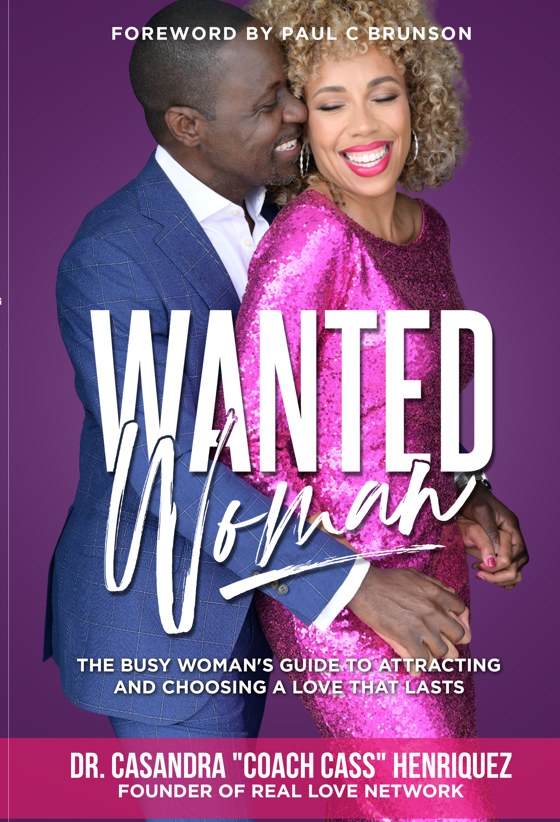
10. The course-to-book. If you already teach, your intellectual property already exists, probably hours and hours of it. Turning it into a book is not dumping transcripts onto pages, the material has to be rebuilt for a reading experience. But the thinking is done, and the thinking was always the hard part. You are closer to published than almost anyone. Dr. Casandra "Coach Cass" Henriquez turned her existing course content into WANTED Woman, and it became a bestseller.
Try this before you decide anything
Finish this sentence. Out loud, if nobody is around:
I want my reader to ________.
Understand something? Change something? Practice something? Track something? Prepare for something? Reflect on something? Implement my framework? Whatever word landed in that blank just chose your format, because the format is simply the container shaped like the job.
And if two answers landed in that blank, you may not need one product. You may need a suite.
Where this leaves you
You do not need to decide that you want to write a book. You need to decide what you know, who it could help, and what you want that knowledge to help them accomplish. The format follows from there. The production, the design, the illustration, the publishing, that is what a studio is for.
Every product pictured in this article was made by a real credentialed professional, and more than one of them, I am certain, once said I am not really a writer. In a sense, they were right. They were something more valuable: an expert with a professional production team.
Find the page built for your work: Healthcare Professionals · Therapists and Mental Health Professionals · CEOs, Founders, and Experts